My background in archaeology has informed my undergrad years of research and hard work. Lab work, field excavation, foreign landscapes and the respect for lived stories have shown me a different kind of narrative. Archaeology, for me, feels deeply connected to journalism. It is storytelling in a different way, with the same ethical concerns and deep care.
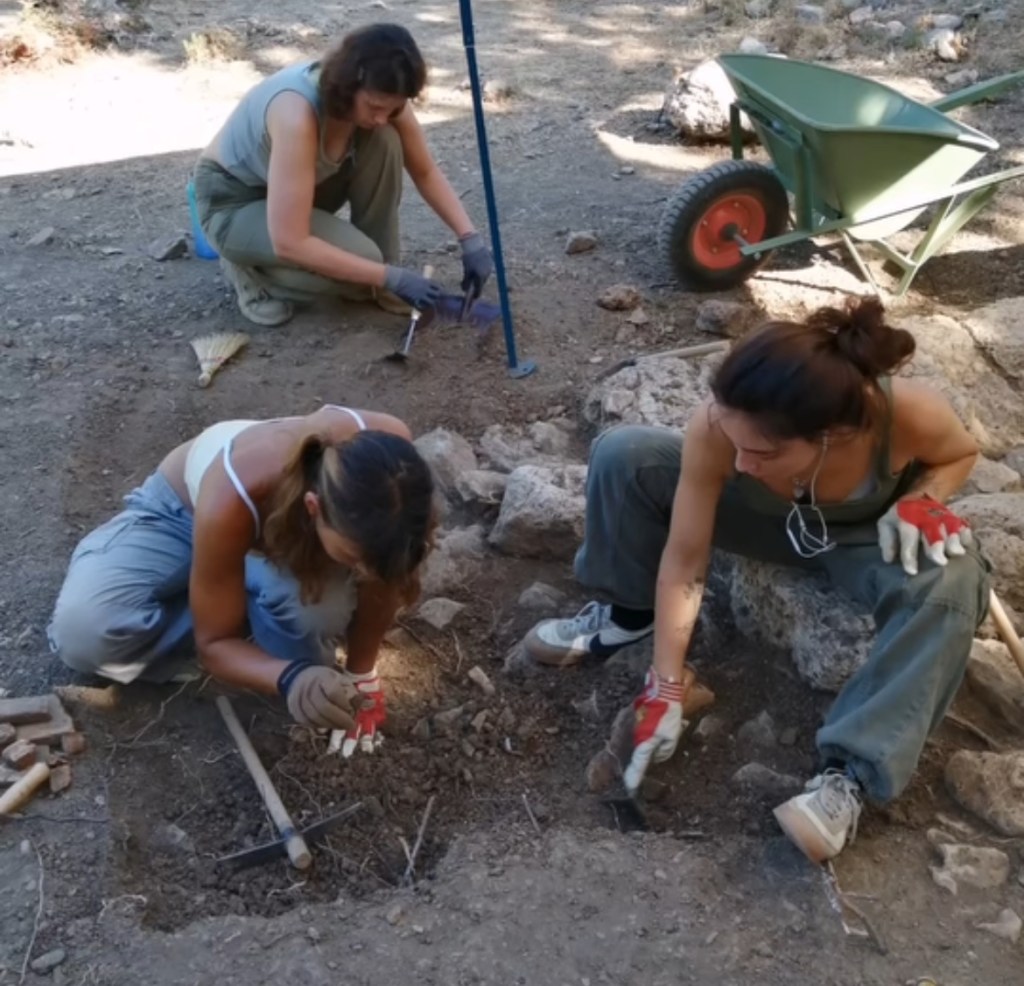
Excavating in Kefalonia, Greece during the summer 2025 season at a Roman acropolis.
This excavation was divided into bioarchaeological lab work and physical digging. The lab component in Preveza, Greece, prompted me to work more extensively in forensic anthropology. Here, I learned the identification of biological profiles with human remains. Strengthening human osteology skill sets, this experience also helped my own travel goals, seeing more of the world and working with incredible scholars.
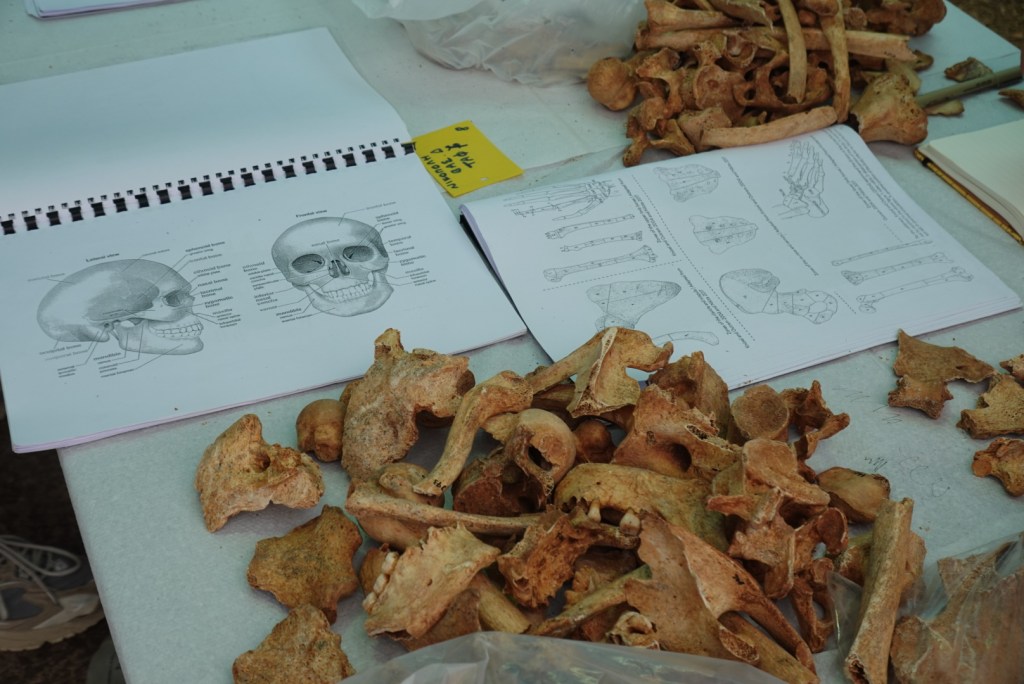
Working in a bioarchaeology lab in Preveza, Greece
In Preveza, I spent weeks with bioarchaeologists, archaeologists and students of the disciplines identifying a collection of bones from a mass grave site. This site, over a thousand years old, had remains beautifully preserved. It was our job to identify each fragment, scope out trauma, build a biological profile and catalog it for the Ministry.
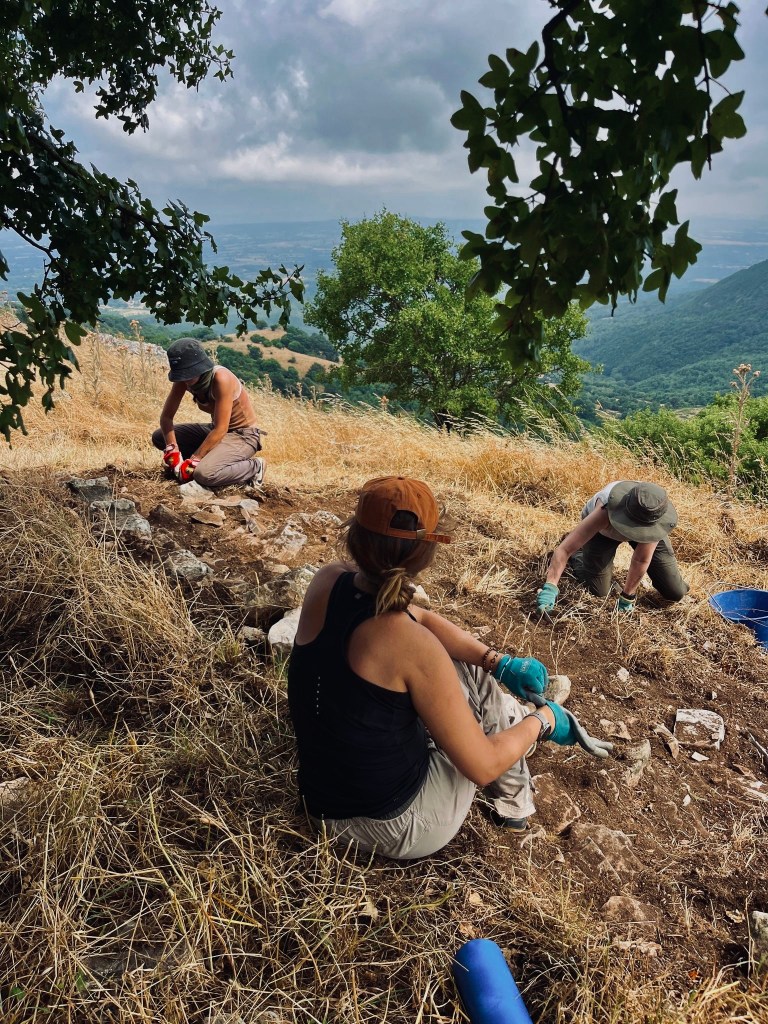
Excavating in Montevitozzo, Italy
Rural Tuscany, this site nestled in nowhere, with me right along with it. The gorgeous hike each day in the summer of 2025 was rewarded with the 12th century Medieval castle site, nearly entirely covered with earth. From LIDAR scans showing the foundations of a castle, I worked with a team from the Association for Culture and Territory to uncover the structure. Working with GIS, this Italian getaway honed my skills as an archaeologist.
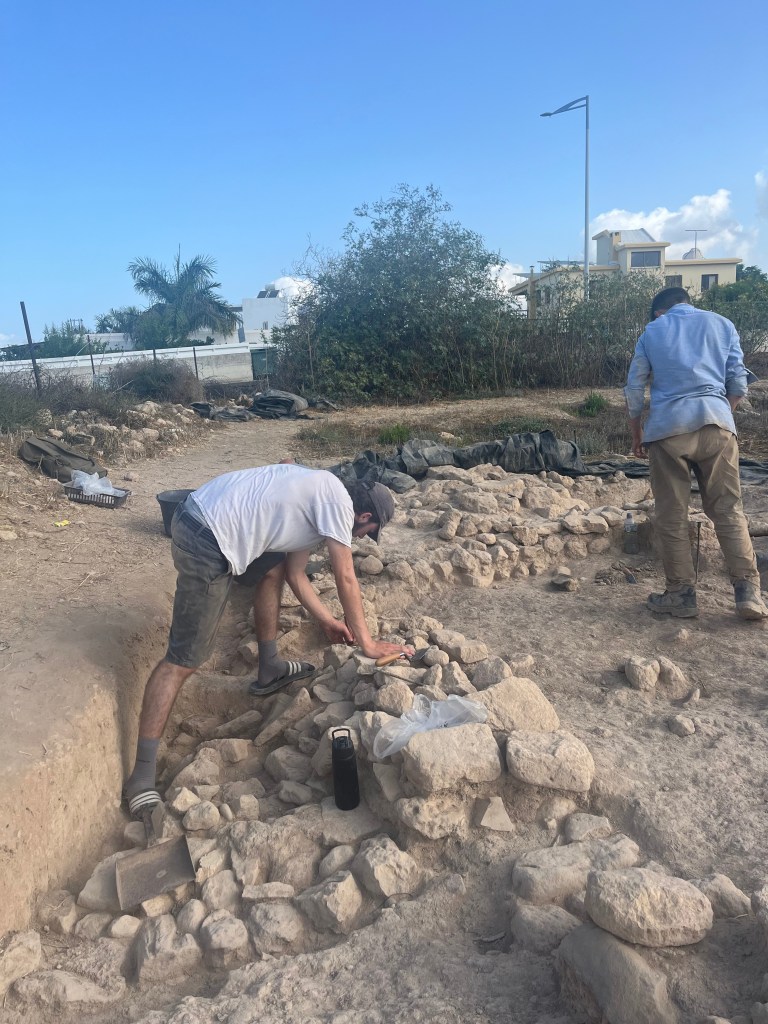
Excavating in Kissonerga, Cyprus
My first dig was a Bronze Age brewery site in a small village in the south of Cyprus. Fallen walls, white limestone and tricky terrain, this was a challenging site for a first-time field school. Nonetheless, I fell in love and returned a year later. Sponsored through HARP and CAARI, I was able to make connections in the Middle East and Europe. Any skills and technique I have gained began right there in Trench B.
Conducting field work in Nicosia, Cyprus
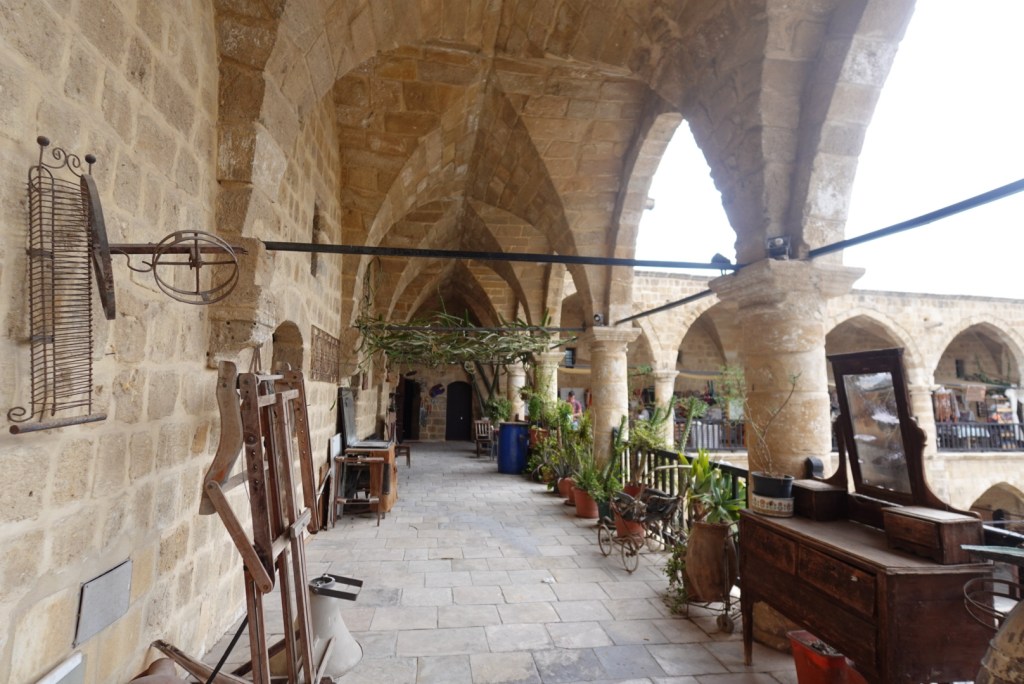
In 2024, I had the opportunity to conduct research in the infamous Green Line zone of Nicosia, Cyprus. After a Turkish invasion left the country split down the middle, the UN-controlled border allowed for an anthropological marvel: a ghost town that was untouched by the modern era. My research ended in a documentary with my own video paired with archival footage that was shown at UMaine in the spring 2025.
 Obadiah Castelle Casperson